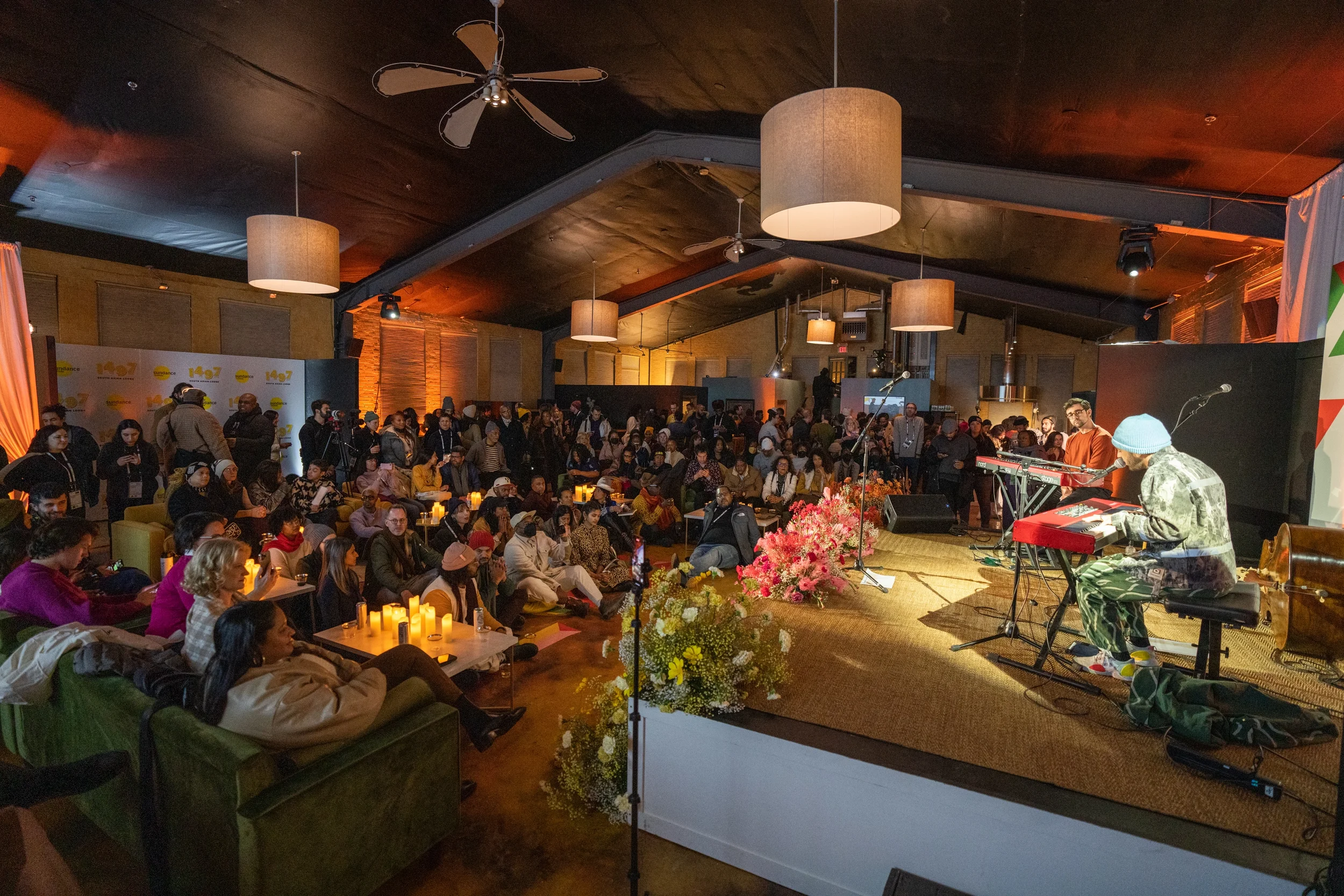
Luxurious occasions need more than just extravagant locations and sumptuous interiors; every choice must complement the desired experience for the attendees.
Choosing the place involves consideration of things like guest movement, technical needs, accessibility, and operational issues and should not be based solely on visual considerations.
Strong communication between planners, vendors, production teams, and stakeholders helps prevent avoidable problems.
A good budget should include not only the visible part of the project but also all functional requirements and unplanned changes.
Rehearsals, contingency planning, and detailed run sheets are essential when multiple teams and moving parts are involved.
A high-end event can have a beautiful venue, exceptional décor, and an impressive guest list yet still feel disjointed. The difference often comes down to what happens behind the scenes. Effective event planning involves more than just what guests see; it also involves how they arrive, how they experience the space, how they interact with the event, and how they recall it afterwards.
Whether you are organizing a corporate gathering, private celebration, brand activation, or luxury wedding, avoiding a few common mistakes can make the entire process more controlled and intentional.
1. Starting With the Décor Instead of the Objective
One of the easiest mistakes in luxury event planning is beginning with visual ideas before defining what the event needs to achieve.
A corporate event may be designed to strengthen relationships, introduce a product, recognize employees, or create networking opportunities. A private celebration may have a completely different purpose.
Once the objective is clear, decisions about venue, entertainment, production, seating, food, and décor become easier to evaluate. Without that foundation, teams can spend heavily on impressive elements that do not contribute meaningfully to the experience.
2. Choosing a Venue Based Only on Appearance
While an extraordinary venue can make a great first impression, there's a difference between aesthetics and the right first impression.
Prior to commitment, planners should evaluate:
Guest flow from arrival to departure
Parking and transportation access
Accessibility requirements
Catering and service areas
Power and technical infrastructure
Loading and setup access
Space for rehearsals and backstage operations
A venue should do what it can to support an event concept but should not be used for something that does not fit the concept. In corporate event planning, logistics can be crucial because there are various sorts of people who might have diverse movement and accessibility requirements, including speakers, production groups, executives, and participants.
3. Treating the Budget as a Fixed Number
A high-end event does not necessarily mean spending more on every category. It means allocating resources deliberately.
A common mistake is to build the budget around highly visible elements while overlooking staffing, technical production, transportation, setup requirements, contingency needs, or last-minute changes.
A detailed budget should connect spending to priorities. It should also be reviewed throughout the planning process rather than treated as a document that is finished once vendors have been selected.
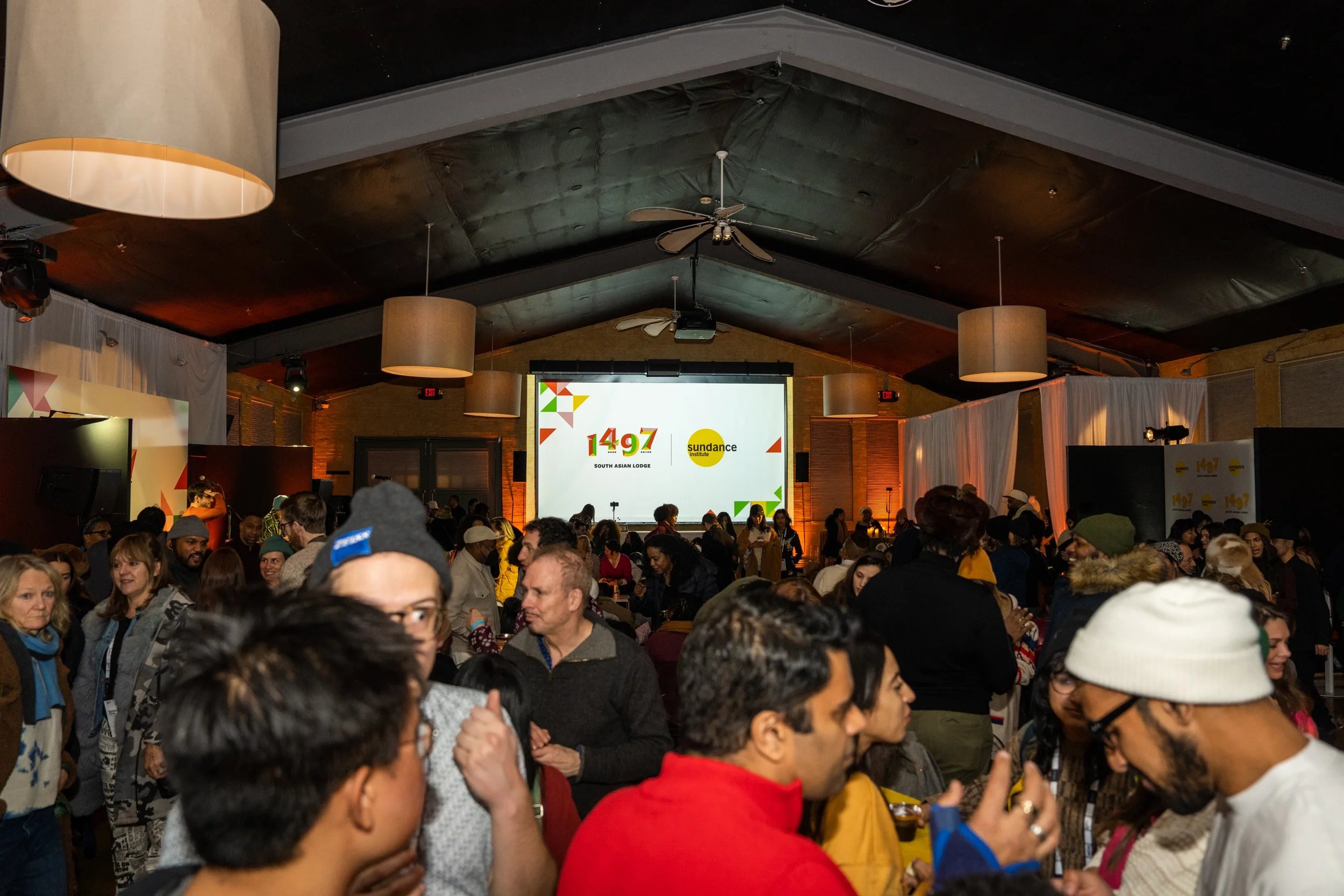
4. Underestimating the Guest Journey
A guest might not realize that a planner solved a transportation problem, made a smoother schedule, designed a better registration process, or moved to a service station. They just end up going through a thing that appears easy to maneuver.
This makes guest journey mapping an important part of professional event planning services. Consider the experience of the first invitation or communication through arrival, registration, seating, dining, entertainment, networking, and departure.
Small points of friction can become disproportionately noticeable at a premium event.
5. Allowing Too Many Teams to Work Without One Clear Lead
There are also many other professionals involved in complex events such as caterers, decorators, AV, entertainment, venues, transportation companies, photographers, security personnel, and more.
There is no problem with having multiple vendors. The problem is that there's no clear coordination structure.
If there are multiple people responsible, there can be inconsistent instructions. A central planning team or a designated event lead can set the timescales, notify stakeholders about changes, verify roles and ensure that all suppliers know how their work fits into the overall event.
6. Leaving Technical Details Until the Last Minute
All of these elements of sound, lighting, staging, projection, internet connectivity, power, presentations and entertainment must work together.
Technical planning should therefore take place at the same time – not after – the creative planning.
For corporate events in particular, a technical failure can interrupt presentations, speeches, demonstrations, or live content. A detailed technical rehearsal can identify problems before guests arrive.
The same principle applies to luxury celebrations. Music cues, lighting changes, performances, speeches, and special entrances often depend on precise coordination.
7. Having No Contingency Plan
Even a carefully prepared event can encounter unexpected changes.
A vendor may experience a delay. Weather may affect an outdoor element. A speaker may become unavailable. Equipment may require a replacement. Guest numbers may change.
Contingency planning does not mean expecting the event to fail. It means using a structured risk assessment to decide in advance what the team will do if a key assumption changes.
The stronger the contingency plan, the less likely guests are to notice the problem.
8. Focusing on What Looks Impressive Instead of What Feels Cohesive
It can be easy to overload an event on the high-end with visual elements, entertainment, installations, and experiences.
A better way is to have a clear creative direction, and have every element contribute to it. The invitation, venue styling, lighting, entertainment, presentation of food, branding, and communication to guests should all look as if it is part of the same experience.
This is particularly important for corporate event management, where creativity also needs to remain connected to the company's identity and event objective.
How Professional Planning Helps Avoid These Mistakes
The most effective corporate event services combine creative thinking with disciplined execution. A professional team can help translate an initial idea into a realistic plan, coordinate suppliers, anticipate operational challenges, and keep multiple departments aligned.
For hosts comparing corporate event planning companies, corporate event management companies, or independent corporate event organizers, it is useful to look beyond portfolios. Ask how the team handles timelines, vendor coordination, contingency planning, technical rehearsals, guest communication, and on-site decision-making.
At KIS(cubed) Events, thoughtful planning is about bringing those elements together so the creative vision and practical execution support each other.
FAQs
1. What are the 5 Cs of event planning?
The 5 Cs are commonly described as Concept, Coordination, Control, Culmination, and Closeout. Together, they provide a framework for taking an event from its initial idea through execution and post-event review.
2. What are some common mistakes to avoid in planning?
Common mistakes include starting without clear objectives, choosing a venue based only on appearance, underestimating the budget, overlooking guest flow, weak vendor communication, and failing to rehearse technical elements or prepare contingencies.
3. What are some common problems encountered in event planning?
Budget changes, scheduling conflicts, vendor delays, technical failures, unclear responsibilities, transportation issues, and unexpected guest requirements are common challenges. Detailed planning and contingency measures can reduce their impact.
4. What are the 7 Ps of event management?
The 7 Ps are commonly identified as Product, Price, Place, Promotion, People, Process, and Physical Evidence. The framework can help planners consider both the event experience and the operational elements supporting it.