Lunar Light & Love: Entering the Year of the Dragon
Complete Event Planning Guide
Looking for a company lunar new year event? KIS(cubed) Events has got you covered when it comes to authentic cultural events in Houston and the surrounding areas. In this guide, learn all about cultural activities and entertainment, food recommendations, budget management, and more. Learn how to plan authentic and respectful events that showcase your knowledge and appreciation of Asian culture. Whether you're planning a corporate event for the Year of the Horse or any other year ahead, we've got you covered. Corporate events generally cost between $50 and $200 per person.
Exploring Culture & Traditions
At the heart of our celebrations lies a deep appreciation for cultural diversity. The Lunar New Year isn't just a Chinese holiday—it's a vibrant tapestry of traditions, customs, and cuisines that span across Asia and beyond. From the colorful lantern festivals of China to the joyful lion dances of Vietnam and the mouthwatering feasts of Korea, Lunar New Year is a testament to the richness of our global community.
Unity in Diversity
In a world that so often feels divided, Lunar New Year reminds us of the power of unity. Regardless of backgrounds or beliefs, we come together to honor the past, embrace the present, and welcome the future with open arms. It's a time to set aside differences, extend a hand of friendship, and celebrate the bonds that unite us as one human family.
How to Celebrate
Whether you're a seasoned reveler or experiencing the festivities for the first time, there's something for everyone to enjoy. Here are some recommendations to help you celebrate:
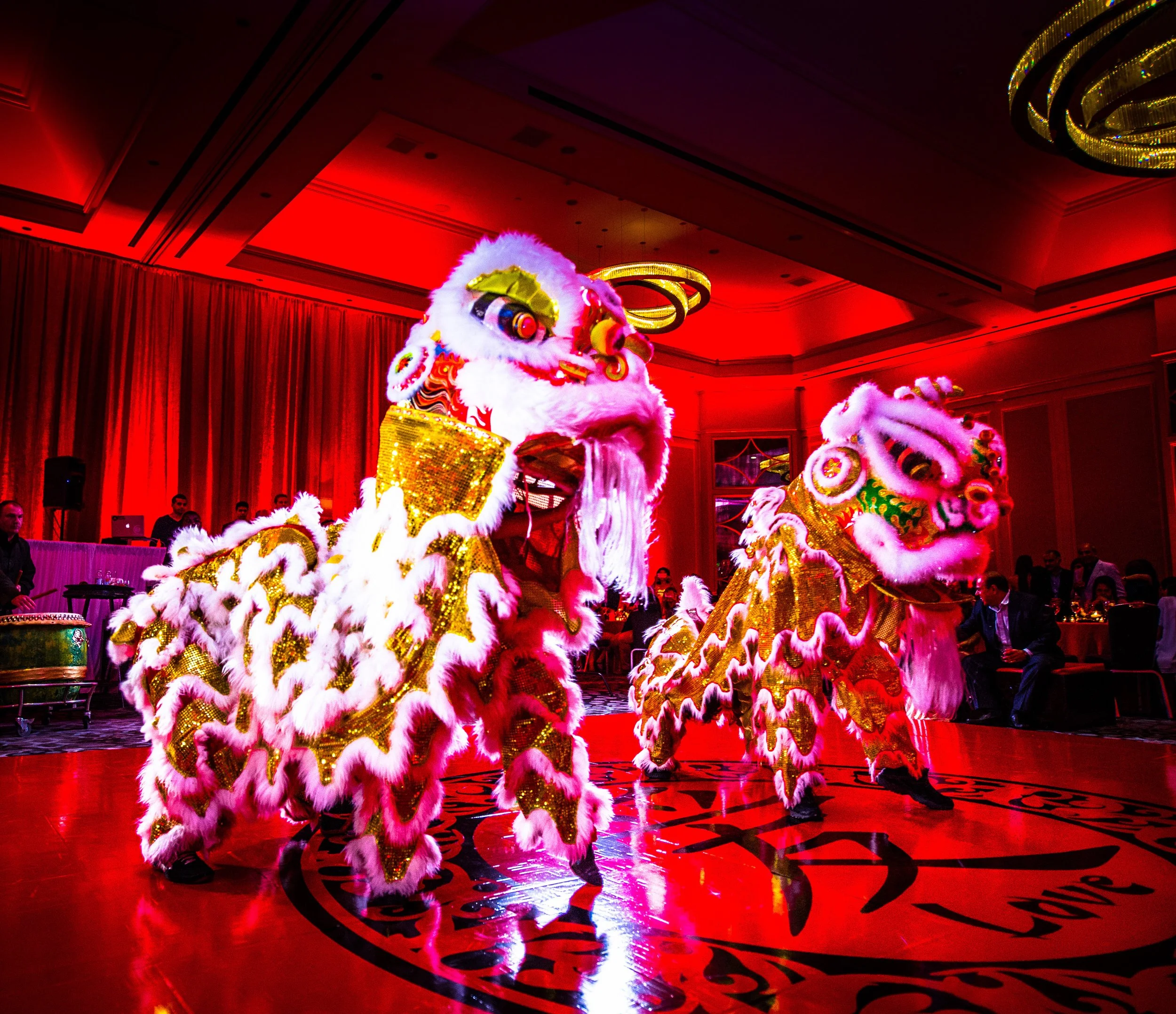
Live Performances: Experience the magic of live performances, including lion dances, dragon parades, and mesmerizing martial arts demonstrations
Gourmet Delights: Indulge your taste buds with a delectable array of Far Eastern delicacies, from steaming bowls of noodles to golden dumplings and sweet moon cakes.
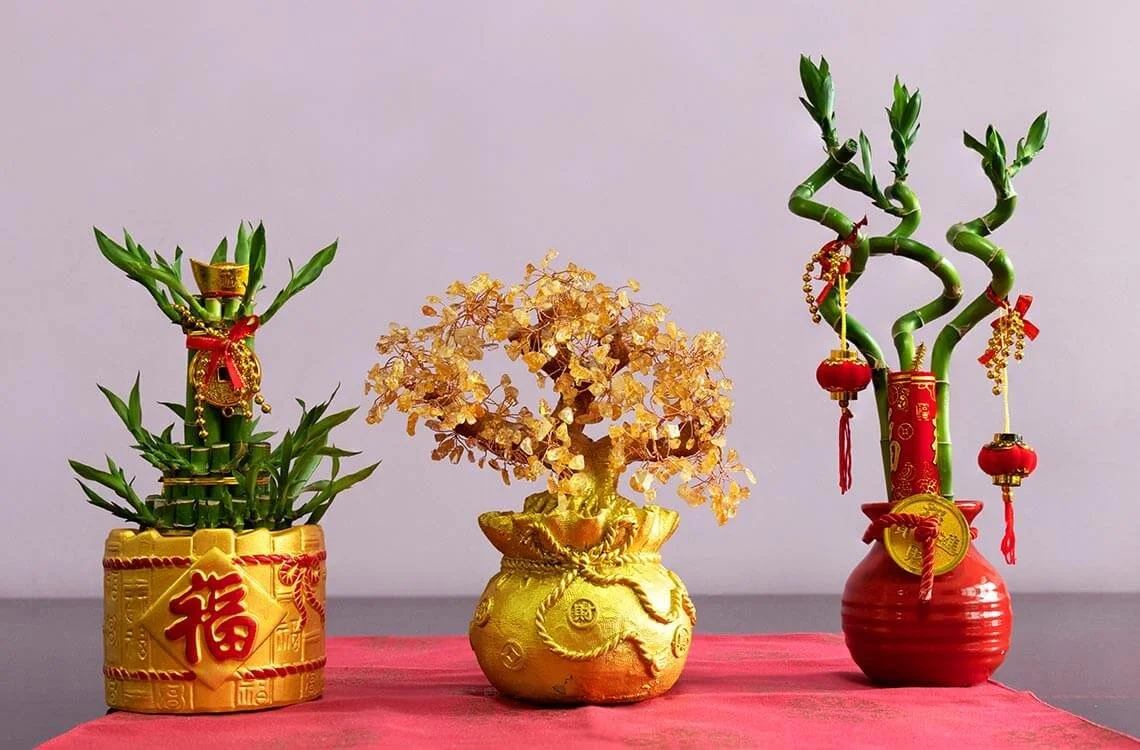
Get Zen: Discover the ancient art of Feng Shui by organizing your home and strategically placing plants throughout your space to maximize positive energy flow.
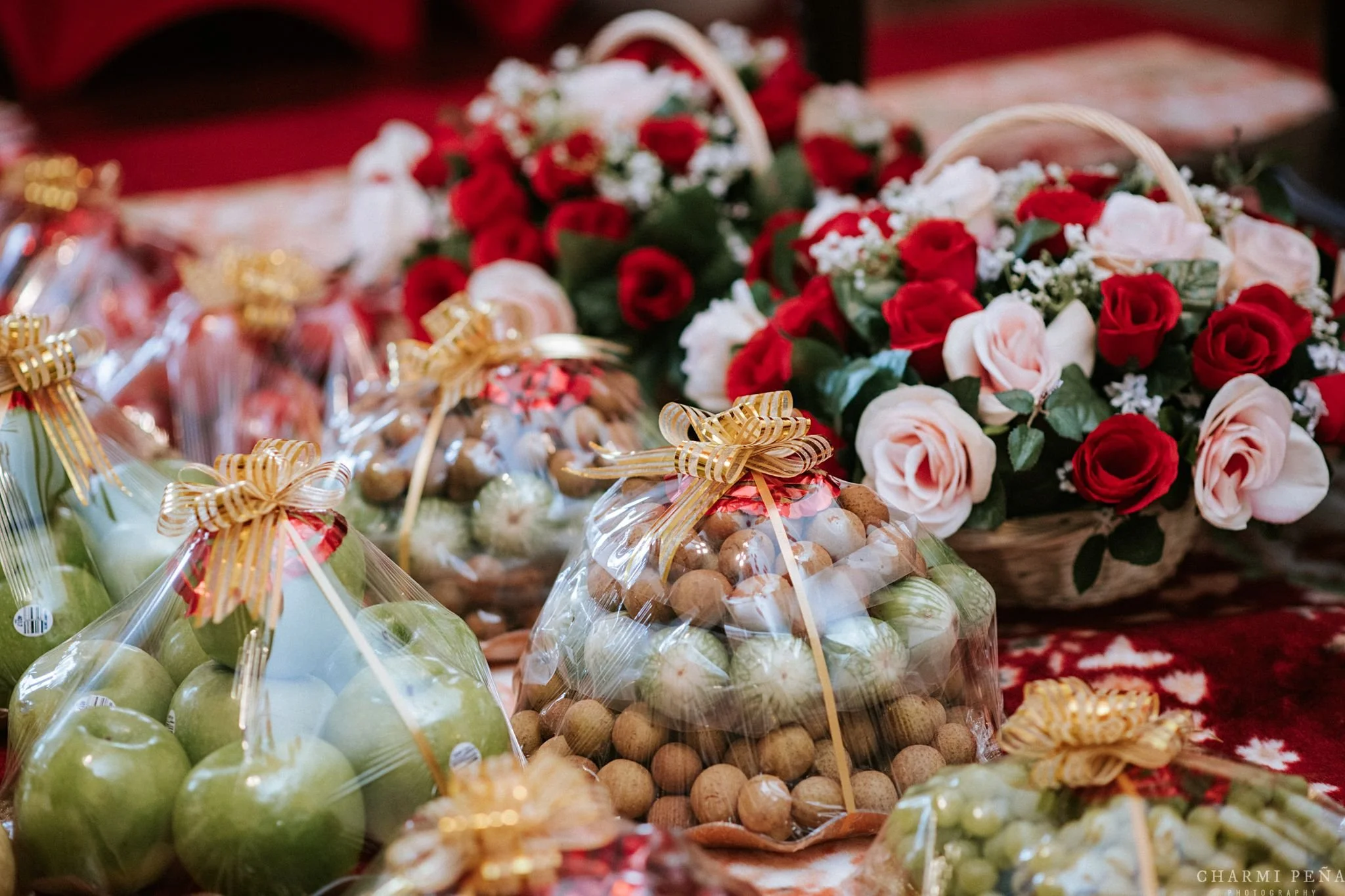
Gratitude & Praise: Create a sacred space for an altar to show gratitude and honor those no longer with us by offering fruit & other delicacies and lighting incense and candles.
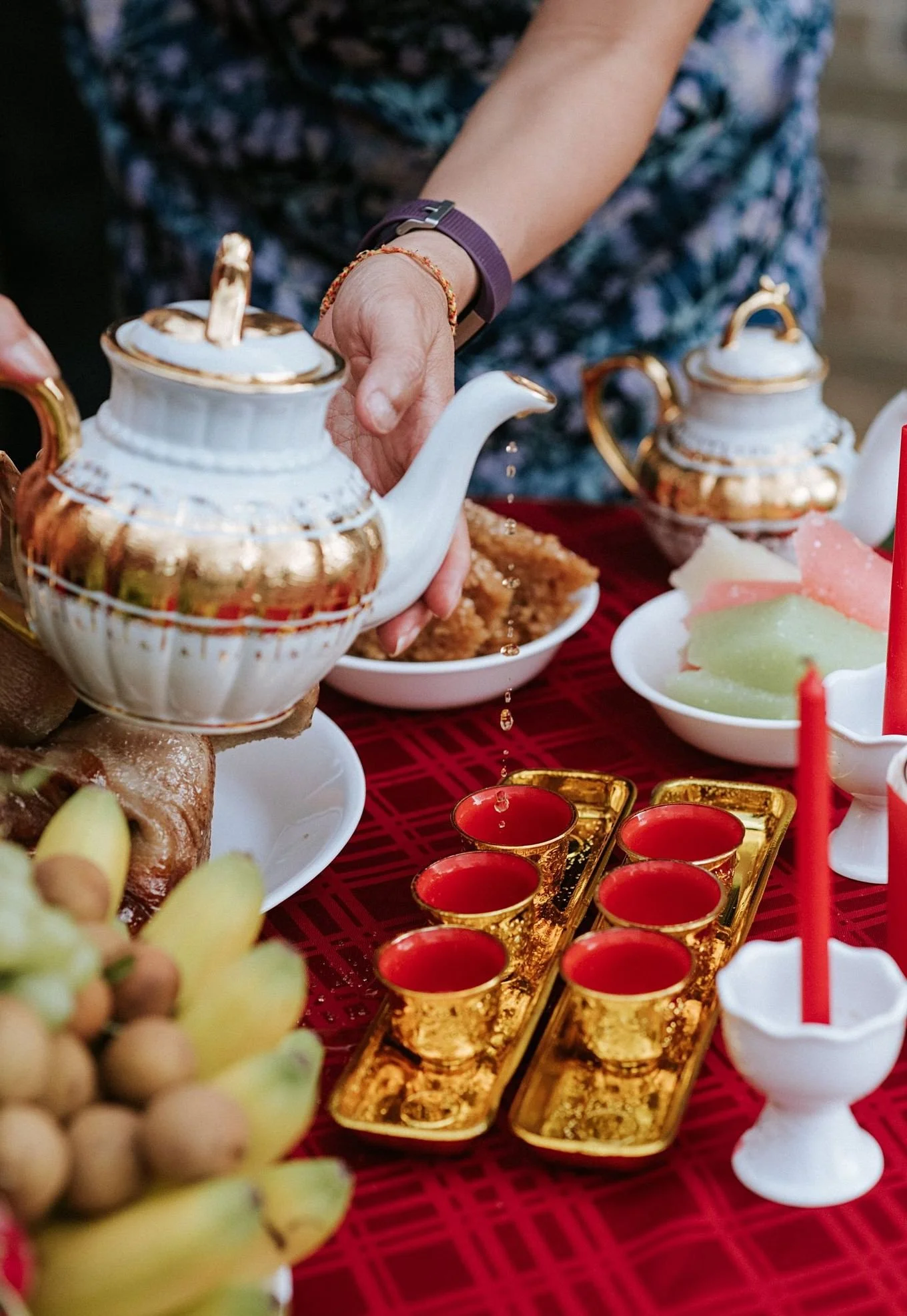
Come Together: Bring family and friends together with a lovely tea ceremony and exchange beautiful gilded red envelopes of money (known as 紅包, hóngbāo) for good luck and prosperity.
FAQs:
How much does a corporate lunar new year event cost?
Costs associated with corporate lunar new year events vary between $50-$200 per guest, depending on their size. Factors that will influence the budget of your event include venue rental (depending on the capacity which could be anything between 50 and 500 guests), traditional entertainment (lion dance performers $800-$2,500, calligraphy artists $500-1,200), authentic catering (dim sum stations, hot pot bars, regional cuisine) as well as red envelopes decorating. Expect to pay between $10,000-$25,000 for a mid-sized 100 people corporate event.
What is the best date for a lunar new year event in 2026?
In 2026 the Lunar New Year is scheduled on February 17 (Year of the horse). Corporate events can be held on various dates such as pre-lunar period (February 10-16), festival time frame (February 17-March 3 - 15-day holiday), and the end of celebration (1st week of March). Do not choose the day of lunar new year itself if you want to have full availability of your vendors and performers.
What works well for corporate Lunar New Year events?
The best performing activities for corporate events are: Interactive activities (name writing, dumpling making lessons, and tea ceremony demonstration), Performers (lion dance, martial art, traditional performances), Networking activities (red envelope with company gifts distribution, fortune-telling, picture-taking with traditional costumes), and Educational components (cultural lessons, zodiac lessons, regional traditions highlighting). Allocate between 25% to 30% of the total budget for entertainment and cultural components.
Can non-Asian companies also organize Lunar New Year corporate events?
Yes—but appropriately. Guidelines: Frame it as learning and appreciation (not cultural appropriation), Involve employees who belong to Asian Employee Resource Groups (ERGs), Engage a cultural consultant and authentic performers, Educate with explanations about the holiday and its traditions, Don’t use stereotypes, stay away from cliches like fortune cookies and chopsticks, and Remember that Lunar New Year is celebrated in China, Vietnam, Korea, Tibet, etc.
What are the most important lucky foods for Lunar New Year?
The eight essential lucky foods are: (1) Dumplings —wealth, shaped like gold ingots, (2) Whole fish —abundance, word sounds like 'surplus,' must be served whole, (3) Longevity noodles—long life, never cut or break them, (4) Spring rolls—wealth, resemble gold bars, (5) Sticky rice cake —growth and advancement, (6) Tangerines and oranges—good fortune, golden color, (7) Lettuce—prosperity, sounds like 'rising fortune' in Cantonese, and (8) Seeds and nuts—fertility and abundance. Explain the symbolism to guests to add educational value.
How many weeks ahead should I schedule the performers for Lunar New Year entertainment?
Schedule 8-12 weeks ahead for lion dancers and traditional performers, especially for events around the Lunar New Year date (Feb 17, 2026, Year of the Horse). For top performers and cultural experts, scheduling 3-4 months in advance is necessary. If you require calligraphy artists, tea ceremony experts, and martial arts performers, 6-8 weeks will be sufficient time. Always provide yourself with alternative contacts for the performers in case of emergencies.
What is the difference between Chinese New Year and Lunar New Year?
Lunar New Year refers to the celebration that is performed among various cultures in Asia. Chinese New Year is the name of Chinese celebration which is also referred to as the Spring Festival. While we have Lunar New Year being called Tết in Vietnam, Seollal in Korea, Losar in Tibet, and Tsagaan Sar in Mongolia, with their unique festivals, foods, and practices. It is wise to use the term 'Lunar New Year' rather than 'Chinese New Year' for corporate events to show respect to the various Asian communities.